One-Sided Blistering Rash? Practical Comfort Tips, Warning Signs, and When to Seek Medical Care
One-Sided Blistering Rash? Practical Comfort Tips, Warning Signs, and When to Seek Medical Care
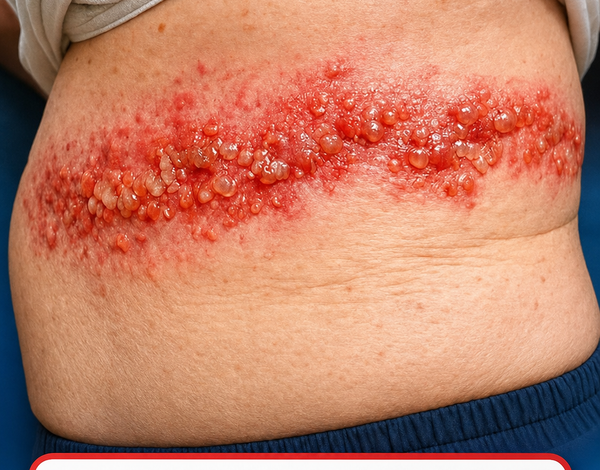
A sudden painful rash with clusters of small blisters can be alarming, especially when it appears mainly on one side of the body. The skin may feel unusually sensitive, itchy, burning, or painful, and even light contact from clothing can become uncomfortable.
Several conditions can cause blistering or painful rashes, so appearance alone is not enough to make a reliable diagnosis. A one-sided band of blisters is commonly associated with shingles, but other skin conditions, infections, allergic reactions, and inflammatory disorders can sometimes look similar.
For that reason, a new painful or blistering rash should be evaluated by a qualified healthcare professional, particularly when it is spreading, causing significant pain, appearing near the face or eyes, or occurring in someone with a weakened immune system.
While waiting for medical evaluation, there are also simple steps that may help reduce irritation and make the person more comfortable.
Why a One-Sided Blistering Rash Deserves Prompt Attention
Shingles is caused by reactivation of the varicella-zoster virus, the same virus responsible for chickenpox.
After someone recovers from chickenpox, the virus can remain inactive in nerve tissue for years. In some people, it can later become active again and produce shingles.
A common pattern is a painful rash affecting a limited area on one side of the body. It may appear across the chest, back, abdomen, waist, or face.
Symptoms can vary, but may include:
- Burning or tingling
- Skin sensitivity
- Localized pain
- Small fluid-filled blisters
- Itching
- Fatigue
- Headache
- Fever or generally feeling unwell
Not every one-sided rash is shingles, which is why medical evaluation remains important.
Early Medical Evaluation Can Matter
If shingles is suspected, contacting a doctor, urgent care clinic, or other qualified medical service relatively early can be worthwhile.
Prescription antiviral medicines may be used in some patients with shingles. Clinicians often prefer to assess treatment early in the course of the illness, particularly when the rash is recent.
A healthcare professional can decide whether an antiviral medicine is appropriate based on factors such as:
- When the rash began
- Age
- Severity of symptoms
- Location of the rash
- Medical history
- Immune-system health
- Risk of complications
Treatment decisions should be individualized rather than based only on the appearance of the rash.
If a primary-care appointment is not immediately available, an urgent care center or telehealth service may be another option, depending on the person’s symptoms and location.
When a Blistering Rash Needs Urgent or Emergency Medical Attention
Some situations require faster evaluation.
Seek urgent medical care when the rash involves the face, eye area, or other sensitive locations, or when significant systemic symptoms develop.
Rash Near the Eye
A rash involving the forehead, eyelid, around the eye, or the nose may require urgent assessment because certain infections can affect the eye.
Seek prompt medical attention if there is:
- Eye pain
- Red eye
- Light sensitivity
- Blurred vision
- Rash close to the eyelid
- Blisters on the face near the eye
Vision-related symptoms should not be managed only with home remedies.
Neurological Symptoms
A rash accompanied by new neurological symptoms should be evaluated urgently.
Warning signs include:
- New facial weakness
- Confusion
- Difficulty speaking
- Loss of balance
- New weakness in an arm or leg
- Severe headache
- Fainting
These symptoms may be unrelated to the rash and can represent a medical emergency.
Difficulty Breathing or Chest Symptoms
Seek emergency medical attention for:
- Shortness of breath
- Chest pressure
- Severe chest pain
- Sudden dizziness
- Fainting
Do not assume chest symptoms are simply part of a skin condition.
Weakened Immune System
People with weakened immune systems may have a higher risk of complications from certain infections.
Prompt medical advice is especially important for people who:
- Are receiving chemotherapy
- Take strong immune-suppressing medicines
- Have recently received an organ transplant
- Have certain immune-system disorders
- Have been advised by a doctor that their immunity is significantly reduced
A healthcare professional may recommend a different level of monitoring or treatment.
Helping Keep the Skin Comfortable
Once medical advice has been obtained, gentle skin care can help reduce unnecessary irritation.
The goal is not to “treat the virus” at home but to make the person more comfortable while the skin heals and professional treatment is followed.
Try Cool, Damp Compresses
A clean, cool, damp cloth may temporarily soothe irritated skin.
Use clean water and a soft cloth, and avoid rubbing.
The cloth should feel comfortably cool rather than extremely cold.
Avoid placing ice directly on blistered or broken skin because intense cold can cause additional discomfort or skin injury.
Choose Loose Clothing
Loose clothing can reduce friction.
Soft fabrics may feel more comfortable than tight or rough materials.
Possible choices include:
- Loose cotton shirts
- Soft pajamas
- Lightweight sleepwear
- Relaxed-fit clothing
Avoid tight waistbands or clothing that repeatedly rubs against the affected area.
Protect Blisters From Friction
If clothing keeps rubbing against the rash, a clean, non-stick dressing may sometimes help protect the area.
Dressings should not be tight.
If the rash is large, heavily draining, infected-looking, or difficult to cover comfortably, ask a doctor or pharmacist for guidance about appropriate wound care.
Avoid Applying Strong Products to Open Blisters
Products that are safe on normal skin may not be appropriate on broken or blistered skin.
Avoid placing medicated adhesive patches, harsh creams, essential oils, alcohol, or strong topical products directly over open blisters unless a healthcare professional specifically recommends them.
Some products can irritate damaged skin or make it more difficult to monitor the rash.
Keep the Area Clean
Gentle hygiene is usually preferable to aggressive cleaning.
Use mild soap and water if needed, and avoid scrubbing.
Pat the skin dry rather than rubbing it.
Keeping the area clean may help reduce irritation and lower the chance of secondary bacterial infection.
Reducing the Risk of Passing the Virus to Others
Shingles itself is not passed from one person to another in the same way that a cold spreads.
However, fluid from active shingles blisters can contain varicella-zoster virus.
A person who has never had chickenpox or has not developed immunity to the virus could potentially develop chickenpox after direct exposure.
Until the blisters have dried and crusted, reasonable precautions include:
- Covering the rash when practical
- Avoiding direct contact with blister fluid
- Washing hands after touching the affected area
- Not sharing towels that contact the rash
- Keeping dressings clean
Extra Caution Around Vulnerable People
Until the rash has fully crusted, it is sensible to avoid direct contact between exposed blisters and people who may be particularly vulnerable.
This can include:
- Newborn babies
- Pregnant people who may not be immune to chickenpox
- People with significantly weakened immune systems
If there is uncertainty about exposure, a healthcare professional can provide individualized advice.
Rest and Hydration During Recovery
Painful rashes can interfere with sleep and leave someone feeling tired.
Rest is important during recovery.
Try to make the environment calm and comfortable.
Helpful practical steps may include:
- Keeping the room at a comfortable temperature
- Drinking enough fluids
- Eating regular meals
- Limiting unnecessary physical exertion
- Wearing comfortable clothing
There is no special drink or food proven to cure shingles.
The goal of hydration and balanced meals is simply to support general health while the body recovers.
Simple Foods Can Be Easier When Someone Feels Unwell
If appetite is reduced, simple meals may be easier to manage.
Examples include:
- Soup
- Eggs
- Yogurt
- Fruit
- Rice
- Vegetables
- Toast
- Lean protein
The exact diet is less important than maintaining reasonable nutrition and hydration unless a doctor has advised specific dietary restrictions.
Keeping Track of Medication
If prescription or over-the-counter medicines are being used, it can be helpful to keep a written schedule.
Record:
- Medication name
- Dose
- Time taken
- Next scheduled dose
This reduces the chance of accidentally taking too much or missing a dose.
Always follow the medication label and the instructions provided by a doctor or pharmacist.
What Healing May Look Like
The appearance of a blistering rash can change considerably over time.
With shingles, blisters often gradually dry and form crusts.
Healing time varies from person to person.
Some people improve relatively quickly, while others experience symptoms for several weeks.
It is important not to intentionally break or pick at blisters or scabs.
Doing so can:
- Irritate the skin
- Increase infection risk
- Slow healing
- Increase the chance of scarring
Let crusts separate naturally.
Watch for Signs of a Secondary Skin Infection
A doctor should be contacted if the skin begins looking increasingly infected.
Possible warning signs include:
- Increasing redness
- Swelling
- Warmth
- Pus
- Worsening tenderness
- Fever
- Red streaking away from the rash
A secondary bacterial infection may require additional treatment.
Ongoing Pain After the Skin Heals
In some people, nerve-related pain can continue after a shingles rash has healed.
This is known as postherpetic neuralgia.
Symptoms may include:
- Burning
- Stabbing pain
- Tingling
- Extreme sensitivity to touch
- Pain from clothing or bedding
Persistent pain should be discussed with a healthcare professional.
There are medical treatments specifically used for nerve pain, and treatment can be adjusted according to the person’s age, other medicines, and medical history.
Avoid Trying to Diagnose Every Rash From Photos
Online photographs can be useful for general education, but many skin conditions overlap visually.
A painful rash can resemble:
- Shingles
- Contact dermatitis
- Insect bites
- Bacterial infection
- Herpes simplex
- Other inflammatory skin disorders
A photo alone cannot reliably confirm the cause.
A clinician may need to consider the rash pattern, symptoms, medical history, and sometimes laboratory testing.
When Telehealth May Be Useful
Telehealth can sometimes be a convenient first step for a visible skin problem.
A video appointment may allow a clinician to:
- Review the rash
- Ask when symptoms started
- Discuss pain and other symptoms
- Review medications and health history
- Decide whether an in-person examination is needed
However, telehealth is not appropriate for every case.
Eye symptoms, severe illness, neurological symptoms, breathing problems, or other emergency warning signs need in-person assessment.
Avoid Delaying Care Because the Rash Seems Manageable
One of the easiest mistakes is assuming that a painful rash is “just a skin problem.”
Skin symptoms can occasionally be linked to conditions that benefit from prompt medical assessment.
If the rash is:
- Very painful
- Rapidly spreading
- Near the eye
- Associated with fever or weakness
- Occurring in someone with reduced immunity
contact a healthcare professional rather than relying solely on home care.
Comfort Measures Are Supportive, Not Curative
Cool cloths, loose clothing, rest, and gentle skin care may improve comfort.
They do not replace diagnosis or prescription treatment when treatment is needed.
This distinction is especially important with viral or bacterial conditions.
Home care should support medical care, not compete with it.
Helping a Family Member Without Creating More Stress
Caring for someone who is in pain can be stressful.
A few practical actions can make the situation easier:
- Help schedule a medical appointment
- Keep track of symptoms
- Write down questions for the clinician
- Record medications
- Prepare simple meals
- Keep clean clothing and towels available
- Reduce unnecessary friction against the rash
Sometimes practical organization can be just as helpful as searching for another home remedy.
Useful Information to Give the Doctor
Before an appointment, write down:
- When the rash first appeared
- Where it started
- Whether it has spread
- Pain level
- Fever or other symptoms
- Current medications
- Existing medical conditions
- Whether the person has had chickenpox or vaccination history if known
This information can help the clinician make a more informed assessment.
The Bottom Line
A painful one-sided blistering rash can be consistent with shingles, but the appearance alone is not enough to confirm the diagnosis.
Prompt professional evaluation is especially important if the rash is new, painful, spreading, close to the eye, or occurring in someone with reduced immunity.
While waiting for care, simple comfort measures such as cool damp compresses, loose clothing, gentle skin hygiene, adequate rest, and hydration may help reduce irritation.
Avoid putting harsh products or adhesive medicated patches directly on open blisters unless a healthcare professional recommends them.
Take extra care around people who may be vulnerable to chickenpox while active blisters are present.
Most importantly, seek urgent or emergency care for eye involvement, severe neurological symptoms, breathing problems, chest pain, or rapidly worsening illness.
Medical Information Notice: This article is provided for general educational and caregiving information only. It is not intended to diagnose a condition, prescribe treatment, or replace advice from a qualified healthcare professional. Anyone with a new, painful, blistering, or rapidly changing rash should seek appropriate medical evaluation.